


The first second you were born, you were expected to cry loud. For obvious health reasons, your parents expected you to be healthy. This was probably the last time you were free to be yourself.

Because at the age of two or three, you’re expected to play with blocks correctly, speak, and say the occasional “ma ma” or “da da”. And only then can you make your parents proud.
The moment you start talking properly is the moment your entire world and life is molded for you. Your parents probably already have an idea of what you should study in university, where you should go.
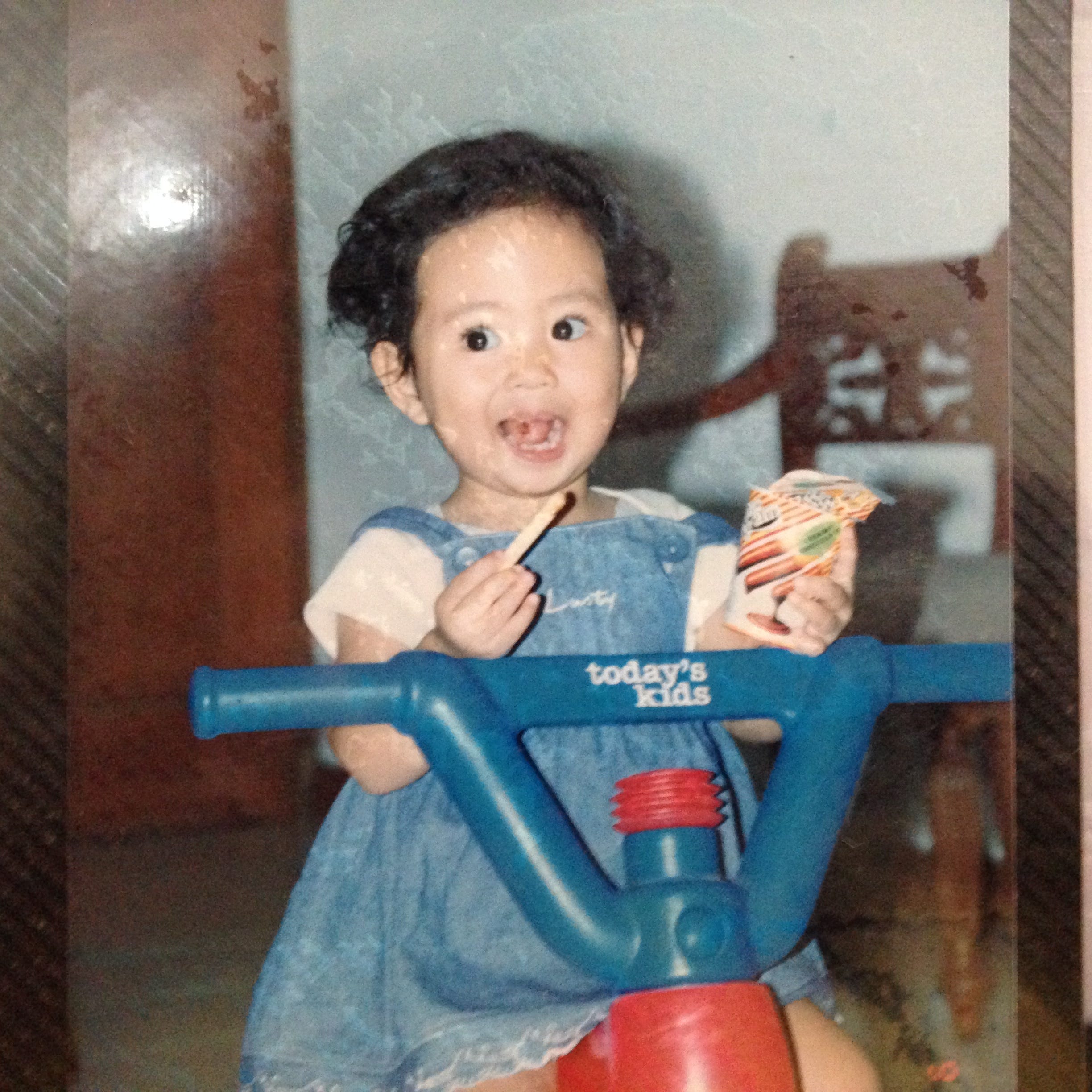
This is such a privilege for a lot of people though. Because not many were born ‘wanted’ or into a family that ‘plans’. And these plans also come from ancestral expectations -maybe a part of our ‘survival of the fittest’ strategy. Only now, “fittest” means how much money you make.
By primary school, straight As become the bare minimum. You’re expected to excel, impress, and push through every checkpoint until you land in university. And by the time you’re 21–23, you’re a product of years of conditioning. So you stand out the “right way”: graduate with honors, get a shiny job in a multinational, join the rat race like you were taught.
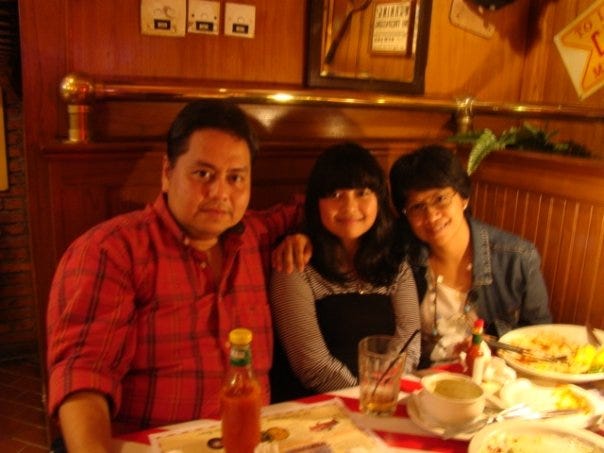
You climb because it’s what ambitious adults do. But once you get there, under the harsh fluorescent lights, surrounded by performance reviews and quiet competition, the loneliness hits. You start seeing the game for what it is: everyone scrambling to be above someone else, including you. And all of it fueled by the same thought: This will make my parents proud.
But you start to think: is this really what makes me proud of myself? A part of you says yes, but another part starts to question the status quo. Why is someone twice your age feeling threatened by your ambitions? And why are you so triggered by it?
And then you hit your mid-20s -well, maybe to be precise, 27 years old, your frontal lobe fully develops and those rose-colored glasses wear out. Welcome to the reality of the grind.
You no longer question the status quo; you resent it. Every day in and out is the same cycle. Days start to blur and routines repeat. You start noticing things you once ignored:
Why is the cleaner wiping the same concrete highway every day?
Why does the airport porter work with such urgency?
Where are your taxes actually going?
And while those questions swirl, your body starts sending signals you can’t ignore: random aches, migraines like tides, fatigue that makes no logical sense. The truth breaks through: you’re burnt out. Your body is begging you to step away and unplug. You need to quit the survival mode.
Because after what seemed to be 27 years you’ve been grinding, you wonder: for whom? For what? More money to feel “slightly better” than someone else? More power to do what, exactly?
So you stop looking up. You start looking around. And you realize you’re blessed in ways you never stopped to acknowledge:
You have a body, though tired it still carries you.
You can give and receive love, even if your family is messy, complicated, human.
You can feed yourself today, and probably for years to come.
And suddenly you see it: you’ve been taught to look only at what you lack, never at what you have. Society told you the goal was always “more,” so you never learned the meaning of “enough.”
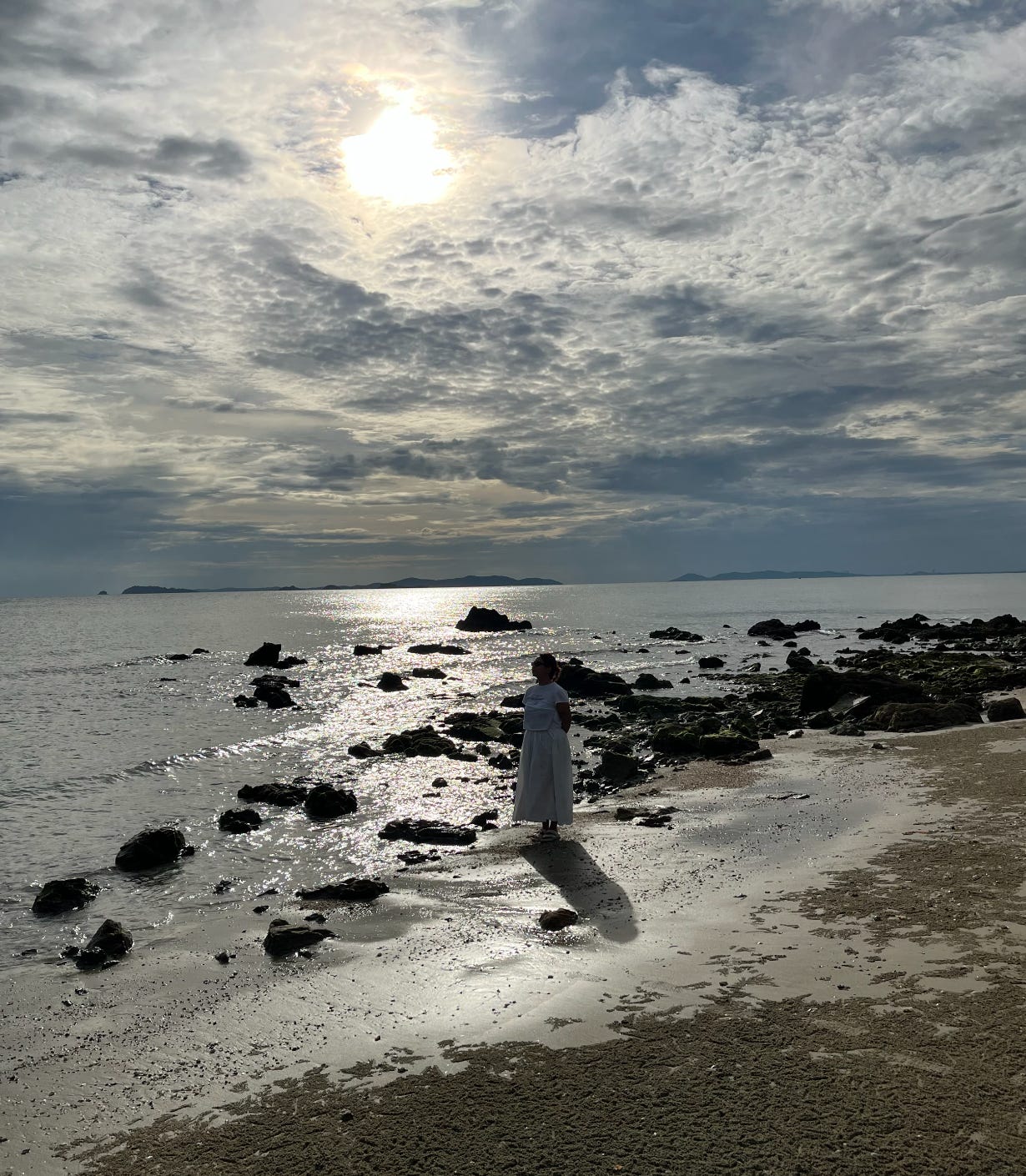
But it takes you this far to understand that word. And it’s not too late. At the ripe age of 30, you’re unlearning old beliefs and re-learning what it means to live.
If you’ve read this far and you feel something, welcome.
You’re awake now.
So here’s the real question:
Do you want to be yourself and brave uncertainty?
Or do you want to stay molded, predictable, and safe?
Either way, you’re not alone.
Let’s heal out loud.
I always go back to see what people posted first. I enjoy learning where people are from and the direction they're going. Your first post taught me a lot. Thanks for sharing. The images added so much value.
Love this!