


Why me?
That’s the question that’s been sitting in your chest since that thing happened in 2025. The role that went to someone else, the project that stalled, or the recognition that never arrived. It’s the kind of experience that keeps you up, replaying the tape, the heat of anxiety, and the weight of disappointment.
But what if that thing that happened wasn’t actually “bad”? Or “good”?
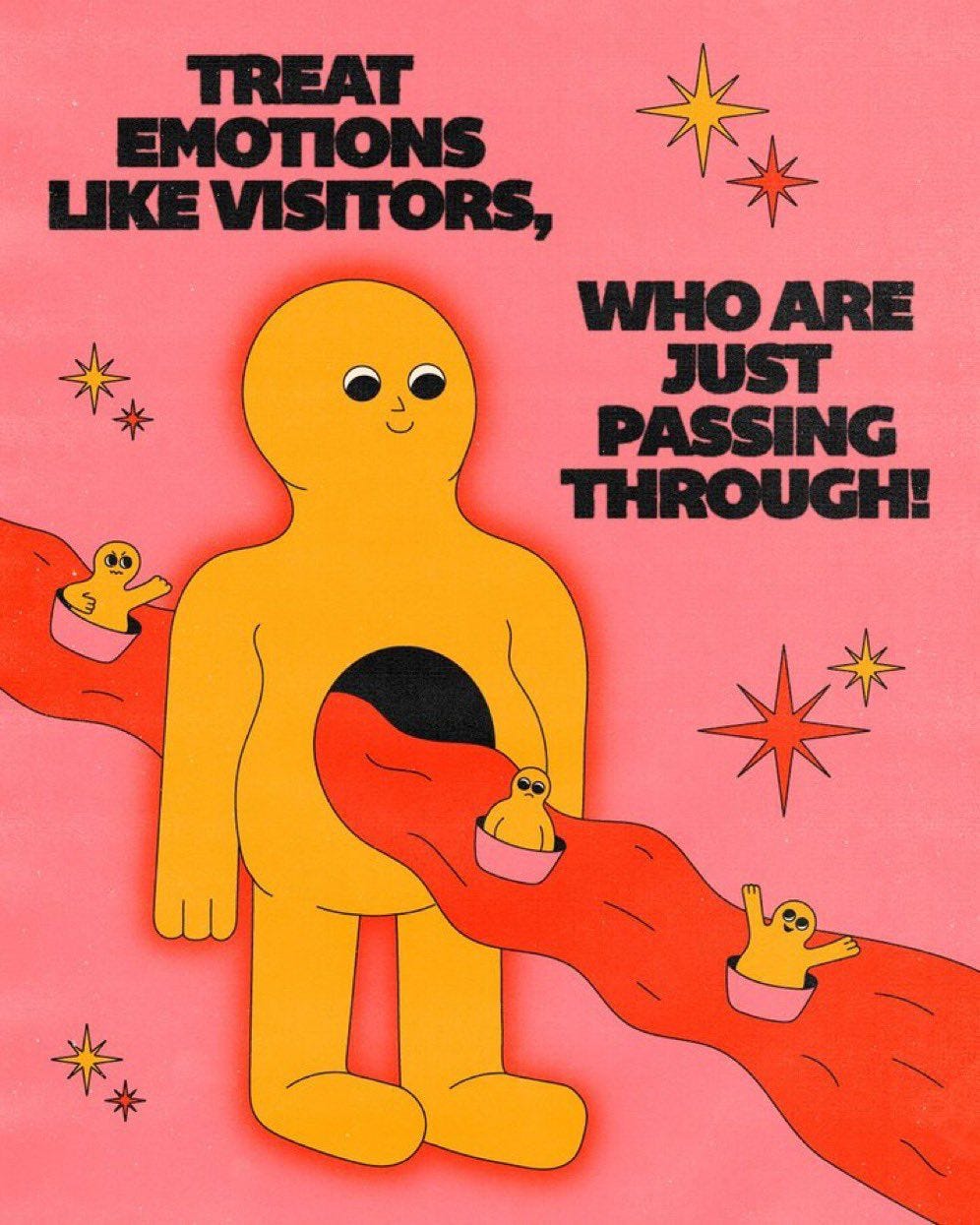
This isn’t about the cliché of “everything happens for a reason.” It’s a deeper question: what if you didn’t label it at all?
Because if the pattern isn’t clear yet: the “bad” and the “good” aren’t things that happen to you. They are judgments given to the experience. The event itself is neutral.

The comfort of labels
In the late 1800s, merchants in Paris had a problem: without fixed prices, no one could agree on what anything was worth. Every transaction was a messy negotiation. To fix the chaos, they introduced labels. It was a simple way to remove uncertainty.
Since then, there has been a growing expectation to find a label on everything: feelings, identities, experiences. “My life is boring.” “Your party was fun.” “That job was a disaster.” These labels are tempting because they provide a script. If a missed promotion is labeled as “bad,” the reaction is pre-written: you get to be upset, you feel like a victim and you stop trying.
But should there a limit to that comfort?
In the pursuit of big ambitions, it is easy to mistake a redirection for a rejection. We pin labels like uncreative or not resilient as if they were permanent tattoos rather than temporary situations. But those labels are heavy and they turn a singular moment into a life sentence. Sure, removing the label doesn’t change what happened, but it changes how much weight must be carried into the next day.
Let’s take a second to pause and strip off the labels
Think of a major bad experience that has happened to you in 2025. Now finish this sentence without using the words “good” or “bad.”
Really resist the urge to label it with an adjective.
“In 2025, _____________ happened. What was learned is _____________.”
Do you notice any difference in how you feel about that particular experience? If yes, that’s great! You’re just acknowledging that something occurred, and you moved through it.
Because the truth is, 2025 happened. Some of it was hard, some of it was beautiful. Most of it was both at the same time. And maybe, just maybe, some of it might have felt heavier than it needed to because of the weight of the label you give.
So as we enter 2026, give your experiences a second chance by not labeling them. It takes practice. But it could help you build something peaceful.
Happy new year.
Hi everyone, Annisa here. This is the final reflection of 2025. Thank you so much for supporting Healing Out Loud. This space exists because you show up for it.
Next year, the publication is evolving. There will be stories from others in the community and frameworks to help with reflection and healing. If there is a story to share as a guest contributor, or if there’s a specific topic to be raised, please hit reply or send a message. All feedback is welcome.
Wishing you a peaceful holiday. See you in 2026.