


I resigned from a high-paying job with great stakeholders, global exposure, and a salary that let me buy whatever I wanted. It wasn’t easy to leave, but necessary.
While it’s easy to blame a bad work culture, the accountability starts with me.
I’m sharing what I learned so you don’t make the same mistakes I did.
The “Yes” that started my burnout
During my final days of a summer vacation, I received a text from my manager:
“Sorry to bother your PTO, but can you jump on a quick Zoom call? It’s not too urgent.”
The team was in the middle of a $500,000 project where I purposefully requested a minor role because my vacation was coming up. But on that call, the tone changed:
“When are you coming back? We need more help from you.”
Feeling like I owed the team for the vacation, I said “yes, absolutely” without thinking of my own boundaries.

When I got back, the situation was worse than I thought. The project hadn’t moved since I left, and the deadline was only 21 days away. Because I said “yes,” I was now the person who had to clear out the mess.
I had to rebuild the project’s foundation, creating the stability the team needed to finally step in and fulfill their roles.
For the next few weeks (three to be exact), I hid how I really felt. We were all too busy playing catch-up anyway. On average, I spent 10 hours a day working to get us back to baseline.
In the office, I feigned smiles and told leadership it was “no problem,” but inside, I was resentful about the lack of planning. My mouth was kept shut because I didn’t want to be seen as “difficult.” But every time I took on a new task, I lost respect for the company.
I carried the weight of a promise I never should have made. My body felt the stress right away: night sweats, irritability, waking up at 4 AM with rushing thoughts of spreadsheets.
I was saving a half-million-dollar investment, but I was bankrupting my own nervous system.
The project launched. It was a major success. We got industry praise and recognition from global leaders. On the outside, we looked like heroes. On the inside, I lost myself.
The resentment I had suppressed just to “get the job done” curdled into toxic bitterness. Something I swore to never become. The outcome was inevitable: I resigned a year later.
While the exit was painful, it served as a necessary catalyst for evaluating where my own strategy had failed me.
What I should’ve done
Looking back, I realized I had made three big mistakes. If I could go back, this is how I would handle it:
1. Stay Composed, Don’t React: I reacted instinctively to the team’s chaos because I wanted to be the “fixer.” If I had stayed composed, I could have paused, asked questions, and set realistic expectations instead of absorbing their panic as my own.
2. Stop Confusing Niceness with Conflict Avoidance: I wasn’t being nice; I was being quiet because I was afraid of the friction that comes with setting a boundary. By suppressing my “no,” I gave everyone a version of me that was eventually going to snap. Professionalism is when you are courageous enough to be uncomfortable.
3. Setting Emotional Boundaries: I took accountability for the feelings of my stakeholders. I didn’t want them stressed, so I took that stress onto myself. I’ve learned that you can be a high-performer without being an emotional sponge. You are paid for your output, not for the sacrifice.
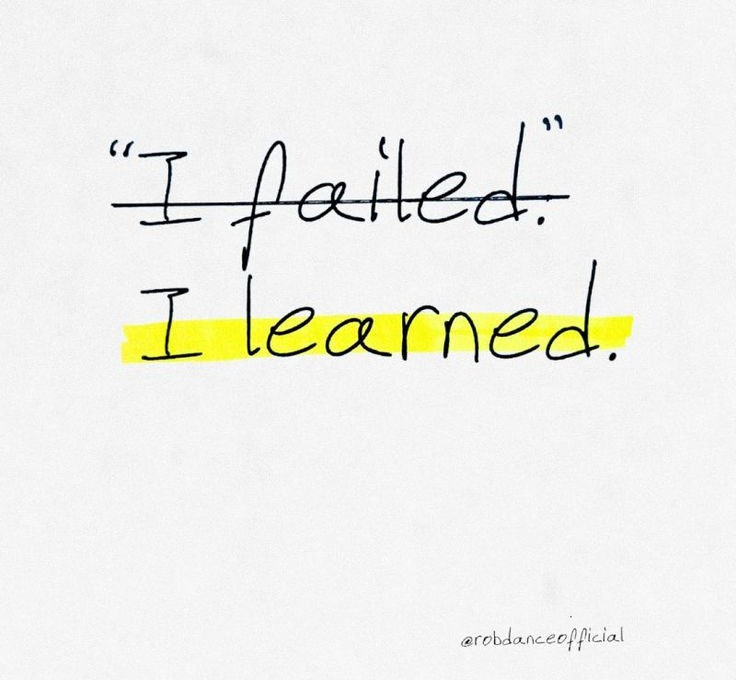
Having a passion for a career is a gift. It motivates you and your team, it leads you to new heights, gives you exposure, and eventually a promotion. But do it without a strategy, and it leads you to sacrifice your peace.
I’ve finally learned that while I can contribute my skills to save a half-million-dollar investment, it is never worth bankrupting my own nervous system to do it.
Thank you Annisa! Over the years I also had to learn how to set boundaries too, steep learning curve that was, and for years I was also trapped in the "I'm too small to speak" mindset. Today I've actually told one of my juniors to not be such a "YES-man" all the time - to even learn to push me back (his manager) when I ask for stuff he doesn't have time to do. So I guess we're practising, slowly, and I'll win the day he says to be "can we look at this next week please I am busy with X which is think is the priority".
Thanks a lot for sharing, I can very much relate to this. It is exactly how I landed into a burnout as well.. it felt "impossible" to set boundaries, because I didn't want to let anyone down. Until I realized that I was still letting myself down, big time. "I’ve finally learned that while I can contribute my skills to save a half-million-dollar investment, it is never worth bankrupting my own nervous system to do it." is exactly it. Hope you're recovering properly!